
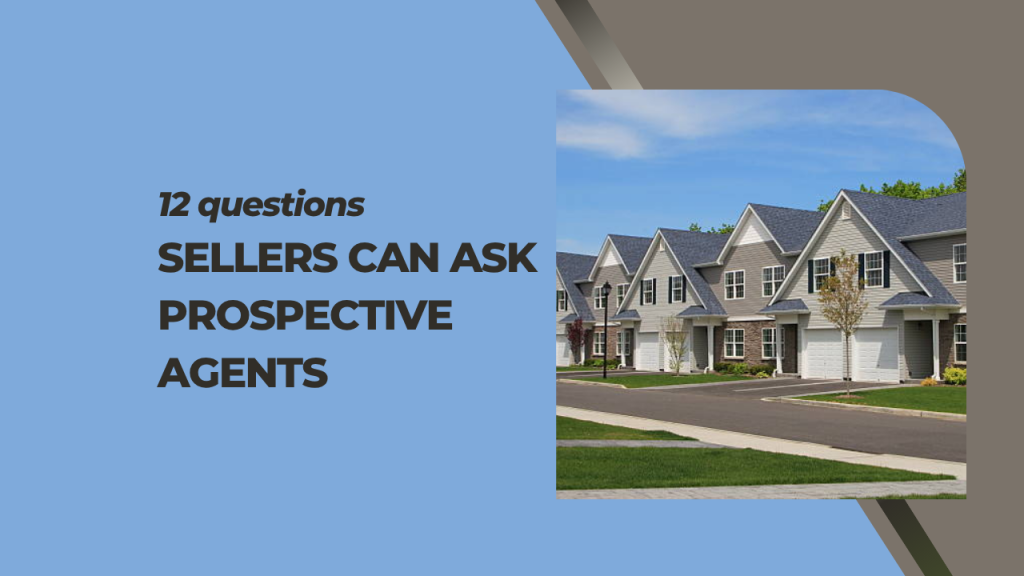
Speaking with real estate agents before selecting one to sell your home isn’t just typical—it’s a smart decision that can greatly influence your overall experience and results.
Real estate agents come with a variety of personalities, backgrounds, and levels of expertise. When selecting an agent to meet your goals, it’s important to consider who aligns best with your preferences. Some agents may be a perfect fit, while others might fall short of your expectations. Many industry experts recommend meeting with agents before making a final decision to gain a clearer understanding of who will guide you most effectively through the transaction
When Should You Begin Interviewing Real Estate Agents?
You can start interviewing agents about a month before putting your house on the market. However, starting six months to a year in advance, if possible, allows your agent to offer guidance and help you prepare your home for the best results.
Build Trust with a Face-to-Face Meeting
Meeting in person helps establish a working relationship and fosters trust. This personal connection can reduce the pressure often associated with the home-selling process.
Agent Scott Curcio from Baird & Warner acknowledges the challenges and emphasizes the role agents play in guiding clients through the process to reduce stress.
Choose Agents Who Ask Questions Too
A great real estate agent doesn’t just answer your questions—they also ask their own to better understand your needs.
Chris Pero of Max Broock Realtors explains, “There isn’t a right or wrong approach—it’s about finding someone who meets your expectations.”
Top 12 Questions to Ask a Real Estate Agent
1. How many clients have you assisted over the past one to two years?
Ask about their sales performance, especially within your price range and neighborhood.
“It’s important to know if the agent has experience selling homes like yours,” Curcio notes. “For example, someone unfamiliar with downtown condos may not be the best fit.”
Give agents a fair chance. Learn about their background instead of ruling them out too quickly.
2. What is the average ratio between your list price and final sale price?
This helps evaluate the agent’s pricing and negotiation skills. Ask for specific numbers and consider factors like parking or upgrades that could influence the results.
3. Can you share client and broker recommendations?
Past clients and fellow professionals can offer insights into an agent’s reputation and collaboration skills.
“Are they cooperative in group settings?” Connors asks, noting that positive relationships can help boost your home’s sale price.
4. What are your usual availability and communication preferences?
Set clear expectations on how often you’ll be in touch and whether communication will be via text, email, or phone calls.
5. How do you handle offers? What’s your negotiation strategy?
A skilled agent won’t just chase the highest bid—they’ll align offers with your goals. Ask how they approach competitive bidding and negotiations.
6. What is your commission fee, and what does it cover?
Commission rates vary, so clarify what you’re paying for. This could include staging, professional photography, marketing, and more.
“Knowing whether the seller is expected to pay the buyer’s agent’s commission is no longer visible in listings,” Pero explains. “So it’s important to understand the full picture.”
7. Will you be my main point of contact?
Many agents work with teams. Confirm whether you’ll work directly with the agent you’re interviewing or be handed off to another team member.
“Some clients say they started with one person but were passed to someone else,” Pero notes.
8. How well connected are you in the local community?
An agent with a strong local network can attract buyers even before your home is officially listed—saving you time and money.
9. What’s your marketing strategy for selling homes?
Ask how they plan to promote your property. Will they use professional photos, staging, open houses, or social media?
“Will they rely on phone photos or professional photography?” Pero asks.
10. What trends are you currently seeing in the market?
This question gives the agent a chance to demonstrate their market knowledge and explain how they’d handle different situations.
11. How do you approach dual agency situations?
Some states restrict agents from representing both the buyer and seller. Make sure you understand the agent’s policy and how it aligns with transparency and fairness.
12. Can you recommend any trusted tradespeople?
Selling a home may involve repairs or improvements. A reliable agent should have a list of trusted professionals like electricians, painters, or stagers.
Michelle Schwinghammer from West + Main Homes emphasizes the value of connecting with reputable sources when preparing your home for sale.
Final Thought: It’s All About the Right Fit
Finding the right real estate agent means finding someone who understands your goals and can guide you through the process smoothly—from the initial planning to the final closing.
“It’s meaningful and important to me,” Pero says, “to find the right person for the job.”
Unlock the secrets to realtor success by overcoming common challenges with proven solutions! Visit DLE Network for more information.
Explore more about How to make the best use of drones to sell your home