

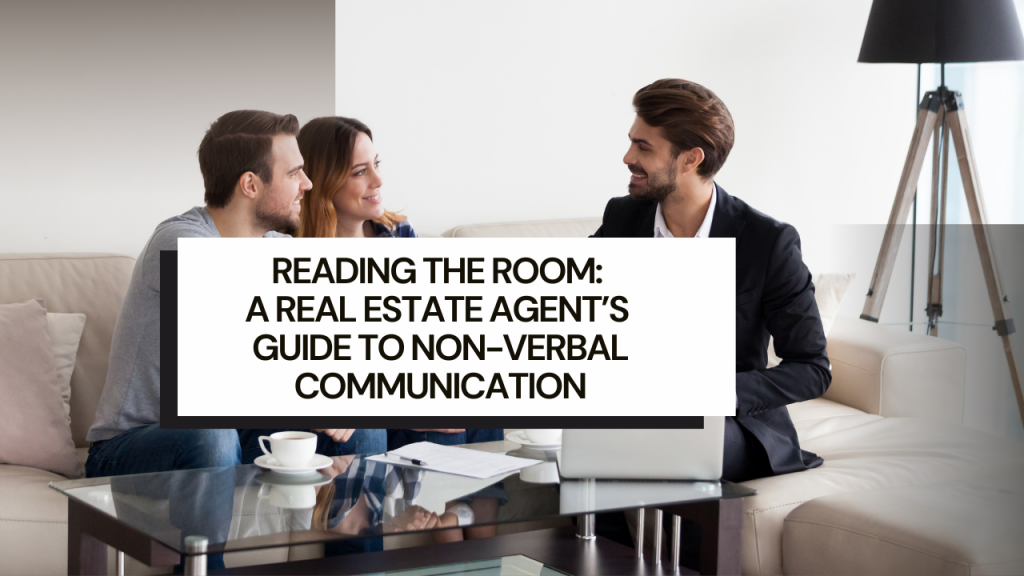
The statements clients make are important, but their unspoken messages often provide even more valuable information. People use non-verbal signals to make choices and create first impressions during interactions—whether they are new homebuyers at open houses or experienced investors in negotiations.
Research shows that non-verbal communication accounts for nearly 80% of total human interaction. The three main components of non-verbal communication include body language, facial expressions, and vocal tone. Your ability to read these signals during property presentations and client meetings helps you build trust faster, avoid mistakes, and guide conversations more effectively.
Most buying signals—such as hesitation, excitement, confusion, or connection—appear without spoken words. Detecting and understanding these subtle cues can significantly improve your sales performance and strengthen client relationships.
The Role of Non-Verbal Communication
Non-verbal communication includes facial expressions, body language, tone of voice, and even silences. It plays a vital role in revealing emotions that words often conceal. Real estate professionals can uncover a client’s true feelings by observing these cues.
Words alone have limitations. For example, a buyer may verbally praise a property but display discomfort through fidgeting, avoiding eye contact, or standing stiffly near the entrance. Similarly, a seller who claims detachment from their home may reveal otherwise through a softened tone and prolonged eye contact when recalling family memories.
Recognizing such signals enables you to connect with clients more quickly, build trust, and create smoother communication—ultimately leading to better decisions and more comfortable interactions.
Five Essential Non-Verbal Signals Every Agent Should Recognize
1. Facial Expressions
Micro-expressions—brief, involuntary facial movements—can reveal hesitation or excitement. Raised eyebrows, pursed lips, or a wrinkled nose may indicate doubt even if the client’s words sound positive. Genuine interest is often shown through bright eyes and a natural smile.
2. Eye Contact
Steady eye contact reflects engagement and openness. Avoidance of eye contact, rapid eye movement, or constant scanning of the room often suggests discomfort, distraction, or withheld information.
3. Posture and Body Orientation
Relaxed arms, open posture, and leaning slightly forward suggest comfort and receptiveness. Conversely, crossed arms, hunched shoulders, or turning away indicate defensiveness or uncertainty. Body direction also reveals interest, as people naturally face what captures their attention.
4. Hand Movements and Gestures
Hands often reveal emotions subconsciously. Fidgeting, finger tapping, or gripping a phone tightly may suggest anxiety or impatience. Open hand gestures convey honesty and confidence, while hidden hands signal unease.
5. Tone of Voice and Speech Pace
Even if the words seem positive, tone can reveal otherwise. A flat or rushed delivery may indicate disinterest or stress, while a controlled pace with natural pauses suggests comfort and enthusiasm.
Recognizing Client Signals in Real Estate Interactions
When buyers form emotional bonds with a property
They linger in specific rooms, smile, and orient their bodies toward appealing features. Their relaxed body language often shows they are visualizing life in the home.
When clients feel overwhelmed or disengaged
Warning signs include physical withdrawal, frequent phone-checking, glazed eyes, or crossed arms. This is a signal to slow down, simplify, or adjust your approach.
When sellers remain hesitant
Even if they verbally express readiness to sell, their non-verbal cues may show otherwise. Hesitation is reflected in fidgeting, avoiding eye contact, or brief responses. Emotional attachment may surface through touching objects or sharing personal stories.
When determining decision-making authority in groups
The most vocal person is not always the decision-maker. Pay attention to who others look at before speaking, who asks the key questions, and whose subtle nods indicate agreement. These patterns reveal influence.
How Agents Can Improve Their Non-Verbal Communication Skills
Reading body language does not require a sixth sense. It’s a skill developed through awareness, observation, and practice.
-
Observe closely. Don’t let your focus on talking distract you from your client’s physical cues. Notice small shifts in body posture, tone, or facial expression.
-
Listen with your eyes. Compare verbal statements with body language. If a client praises a home but crosses their arms, dig deeper before assuming they are enthusiastic.
-
Use mirroring. Naturally reflect your client’s tone, posture, and energy to build rapport. Avoid overdoing it, as forced mirroring can feel inauthentic.
-
Practice intentionally. Observe people in everyday settings or role-play with colleagues to improve your sensitivity to non-verbal signals.
-
Stay curious, not judgmental. Non-verbal cues are powerful but not always accurate. For example, crossed arms might signal disinterest—or simply that the room is cold.
Responding to Non-Verbal Signals
Detecting signals is only half the work; your response determines the outcome.
-
Show empathy. If a client seems uneasy, check in gently with open-ended questions instead of making assumptions.
-
Adapt your approach. If a buyer loses interest in one area, redirect attention elsewhere.
-
Be aware of your own body language. Clients pick up on your tone, posture, and expressions as much as you read theirs.
-
Respect cultural differences. Behaviors like avoiding eye contact may have cultural explanations rather than signaling dishonesty.
Using Your Own Non-Verbal Cues Effectively
Clients judge your professionalism not only by what you say but also by how you present yourself.
-
Be fully present. Eliminate distractions like checking your phone and maintain eye contact with a natural smile.
-
Keep an open posture. Stand tall, relax your shoulders, and avoid defensive gestures such as crossed arms.
-
Control facial expressions. Maintain a calm expression while letting genuine smiles appear when appropriate.
-
Match your tone to the moment. Speak at a steady pace with a confident tone. Avoid rushing or raising your voice unnecessarily.
-
Match client energy. Enthusiasm should meet enthusiasm, while calm composure should mirror a reserved client.
Final Thoughts
The unspoken elements of real estate require skill and practice to master. By reading client signals and managing your own body language, you can create stronger connections, smoother interactions, and greater confidence in negotiations. Mastering non-verbal communication will not only elevate your professionalism but also give you a powerful edge in building trust and closing deals successfully.
Unlock the secrets to realtor success by overcoming common challenges with proven solutions! Visit DLE Network for more information.
Explore more about Fair Housing Resources for Real Estate Pros