

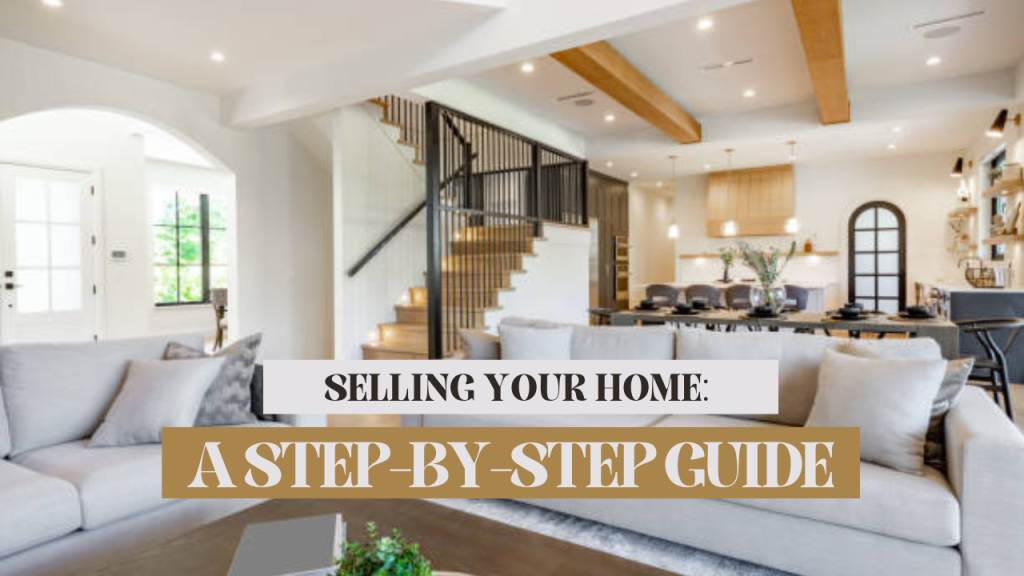
Putting your house on the market is a significant decision that involves careful preparation and strategy. The goal is to attract serious buyers, secure a competitive offer through negotiation, and successfully finalize the sale.
Essential Guidelines for Selling Your Home
-
Prepare Your Home for Sale: Declutter, clean, and make necessary upgrades to improve appeal.
-
Get a Comparative Market Analysis (CMA): Understand how to price your property correctly.
-
Hire a Real Estate Agent: A professional can help market your home and negotiate on your behalf.
-
Create a Compelling Listing: Include high-quality photos and an engaging description.
-
Prepare for Negotiations: Be ready to evaluate and respond to offers.
-
Close the Deal: Transfer ownership once all paperwork and conditions are finalized.
Getting Your Home Ready to Sell
“Prepping your home for sale is like getting ready for a date—it’s all about putting your best foot forward,” says Guy Hobson from Coldwell Banker Warburg.
Start by hiring a real estate agent and getting your property ready through cleaning, repairs, and possibly small upgrades.
Declutter and Stage Your Home
Staging and decluttering can dramatically improve how your home appears to potential buyers. Since you’ll be moving eventually, start packing away personal items like trinkets, seasonal decorations, and even extra clothes or shoes.
Organize each room with a clear purpose and consider removing bulky furniture that might make the space feel smaller.
Make Minor Repairs and Upgrades
Small issues, such as a leaky faucet, can raise concerns about larger, costly repairs. Address all maintenance problems both inside and outside the house.
Instead of doing major renovations that might not yield a strong return on investment, focus on affordable upgrades like a fresh coat of paint or updated light fixtures.
Get a Comparative Market Analysis (CMA)
Pricing your home correctly is crucial. A Comparative Market Analysis (CMA) helps determine an accurate listing price by analyzing recent sales of similar homes in your area.
What to Expect in a CMA:
-
Prices and sales timelines of similar homes
-
Local market trends, such as average days on market and price reductions
-
Property characteristics like size, bedrooms, and unique features
If you’re already working with an agent, request a CMA. If not, a home valuation report is a great starting point for understanding your home’s worth.
Create an Engaging Property Listing
Your listing is your first impression. Make it count.
Use High-Quality Photos
Professional photography can significantly increase the number of clicks and showings. A skilled photographer will highlight your home’s best angles and lighting.
Write a Captivating Description
Include features not easily seen in photos and help buyers imagine living in your home. Mention the neighborhood and nearby amenities—this helps your listing appear in more search results.
Example: “This lakeside home offers serene views and quick access to downtown dining.”
Consider Video Tours and Virtual Showings
Videos and 3D tours allow buyers to explore your home online and feel more connected to the space, even before they visit in person.
Promote Your Listing
Once your home is ready, the next step is marketing it effectively.
“Aim to reach a wide audience,” advises Hobson. “Share photos, floor plans, and videos with agents across regions for maximum exposure.”
-
Use Social Media: Promote your home on platforms like Instagram and Facebook.
-
Consider Paid Advertising: Especially useful for unique or luxury homes.
-
Host an Open House: Invite buyers and brokers for a walkthrough without the need for appointments.
Prepare for Showings
When potential buyers show interest, they’ll want to tour your home either through a scheduled appointment or by attending an open house.
Keep Your Home “Show-Ready”
Keep it clean and organized so you’re always ready for a last-minute viewing.
Make your home easily accessible, and if possible, step out during showings. This allows buyers to discuss freely with their agent and better imagine themselves living there.
Handling Offers
If all goes well, offers will start coming in. These typically include:
-
Earnest Money Deposit: A financial commitment from the buyer, held in escrow. A larger deposit gives you more security.
-
Contingencies: Conditions like inspections, appraisals, financing, or the sale of the buyer’s current home.
-
Offer Price and Closing Date: Buyers will suggest a price and preferred timeline.
If you receive multiple offers, weigh all terms—not just price.
A real estate agent can help you evaluate competing offers and negotiate the best deal.
Closing the Sale
Once you’ve accepted an offer, it’s time to prepare for closing.
Final Paperwork
At this stage, you’ll finalize the transfer of ownership. This involves providing banking details for payment transfers and signing legal documents.In some states, you may also work with a real estate attorney to complete the process.
Closing Day
The closing date is specified in your contract. On that day, you’ll meet with the buyer, sign final documents, and officially transfer ownership of the property.
Final Thoughts
Selling your home is a journey that requires thoughtful planning, the right professional help, and a proactive approach. By following these steps—from preparation and pricing to marketing and closing—you’ll be in a strong position to sell your home quickly and profitably.
Unlock the secrets to realtor success by overcoming common challenges with proven solutions! Visit DLE Network for more information.
Explore more about How to Navigate the Complexity of a Short Sale