

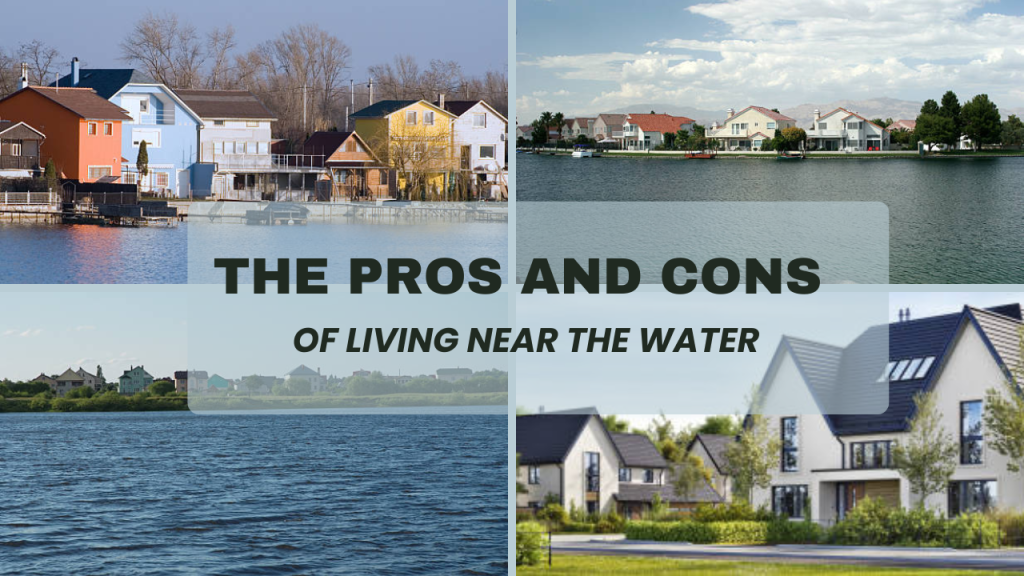
Living near the water creates a sense of calm often referred to as the “Blue Mind.”
The National Marine Sanctuary Foundation featured a blog article by Wallace J. Nichols, who coined the term “Blue Mind.” He explained that regular, healthy contact with water offers a range of benefits—including cognitive, emotional, psychological, social, physical, and spiritual well-being.
Owning a home near the shore not only grants access to water, but also provides bragging rights, recreational opportunities, increased property value, and numerous other advantages. However, this lifestyle also comes with unique risks that homeowners should carefully consider.
The Pros of Living Near the Water
Even if a homeowner doesn’t have direct beach access or dock ownership, they may still enjoy shared water access through a homeowners association.
Residents can take part in a wide variety of water-based activities, including swimming, kayaking, and fishing. These recreational opportunities add significant value to everyday living.
A 2019 study by the University of San Diego found that oceanfront homes were valued 45% higher than landlocked properties in the same ZIP code.
Coastal regions also tend to command higher median sale prices than areas farther inland. For instance, the Maine Association of Realtors reported that from 2022 to 2023, the statewide median home value rose about 9%, while three coastal counties saw price increases ranging from 11% to 32%.
In warmer climates, living near the water also means access to natural cooling breezes that flow across the water’s surface, offering a welcome relief from the heat.
The Cons of Living Near the Water
While the lifestyle has its appeal, waterfront living comes with several drawbacks. One of the most significant concerns is the high cost of flood insurance. Although the National Flood Insurance Program (NFIP) provides coverage in many parts of the U.S., some regions remain ineligible, leaving homeowners vulnerable.
Water-related damage can also affect property in two major ways: flooding and erosion. Additionally, salt from ocean and tidal waters can corrode building materials over time. As a result, maintenance becomes more demanding and frequent.
For instance, Nick Slavik, chair of the Painting Contractors Association, notes that typical exterior house paint should be redone every seven years. However, for oceanfront homes, it’s more important to regularly clean the exterior with detergent to remove salt buildup than to repaint more frequently.
Outdoor furniture in coastal areas must be heavy and secure enough to resist strong breezes and prevent being blown away.
Another consideration is the influx of tourists. Waterfront homes are often located in popular destinations, resulting in increased traffic—both on land and on the water. Beachfront property owners must also contend with the loss of privacy, as public access laws usually allow people to use the area between the high-water line and the water’s edge.
There are also regulatory restrictions to consider. Properties near shorelines may be subject to additional rules, such as maintaining setbacks to protect sand dunes and aquatic ecosystems. Certain coastal areas may be protected due to the presence of wildlife nesting sites, limiting how the land can be used or developed.
Consider These Factors Before Buying Waterfront Property
Homebuyers should be aware of flood risk disclosure laws in their state. As of 2024, for example, North Carolina requires sellers to disclose flood risk information in writing. The Federal Emergency Management Agency (FEMA) confirms that at least 35 states have similar disclosure regulations in place.
Prospective buyers should also verify whether the property lies within a designated flood zone. This can be done through local government agencies or FEMA resources. It’s also essential to check if insurance providers offer homeowners policies in the area, as some insurers may restrict or discontinue coverage in locations prone to flooding or natural disasters.
Another key question to ask: Are the home’s major systems—plumbing, heating, cooling, and electrical—located on the second floor? If not, this may increase vulnerability to flood damage and raise insurance premiums.
Unlock the secrets to realtor success by overcoming common challenges with proven solutions! Visit DLE Network for more information.
Explore more about What to consider when building a house versus buying