

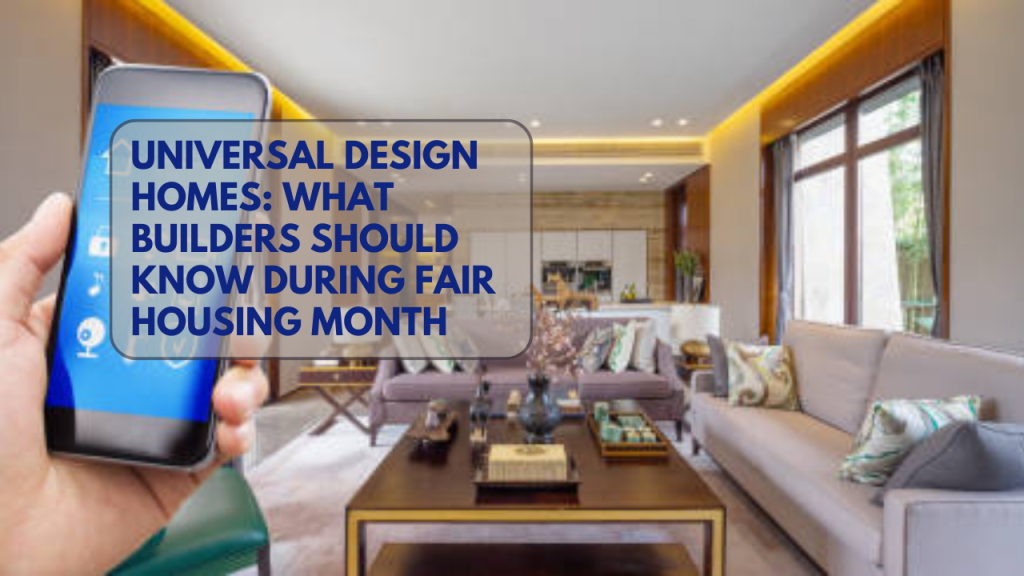
Building homes with universal design represents a fundamental commitment for builders—beyond mere compliance standards—because it aims to create sustainable housing for the future.
Universal Design now represents the highest standard for accessible homes, as homeowners increasingly seek properties that accommodate their long-term needs. In 2025, the housing industry must go beyond basic code compliance to develop homes that serve people throughout their entire lifespan.
What Is Fair Housing?
The Fair Housing Act (FHA) protects individuals from housing discrimination based on race, color, national origin, religion, sex (including sexual orientation and gender identity), familial status, and disability.
The foundation of inclusive housing emerges from designing spaces that incorporate accessibility elements from the beginning.
Accessibility as Part of Fair Housing
Federal law requires all new multifamily buildings with more than four units, first occupied after March 13, 1991, to include specific accessibility features. These guidelines establish both legal compliance and practical usability for homes that accommodate people with diverse abilities.
Under Fair Housing law, single-family homes and duplexes must follow broader non-discrimination provisions, even though they are exempt from specific accessibility requirements.
Types of Dwellings Covered
Applies to:
-
Multifamily dwellings with 4+ units
-
Condos and apartments built after 1991
-
Rental units in qualifying buildings
Does not apply to:
-
Detached single-family homes
-
Duplexes, triplexes, and owner-occupied fourplexes
-
Older multifamily buildings unless significant renovations are made
Builders who meet this demand gain a competitive edge, as homebuyers increasingly seek properties that grow with their needs.
The Future of Home Design: Universal Design Trends in 2025
The path toward building homes that last a lifetime has emerged as Universal Design becomes the standard of the future. Design trends reveal that homebuyers are seeking environments that support them throughout their entire life journey.
According to Forbes and industry leaders, aging in place has evolved from an afterthought to an integral part of home design plans. The following trends demonstrate how builders can create homes residents do not need to leave.
Trend 1: Future-Proofing Through Universal Design
Homeowners, particularly Baby Boomers and Gen Xers, show strong dedication to remaining in their current residences.Features like wide hallways, curbless showers, and lever-style handles enable comfortable living for people of all ages and abilities.
Start development projects with:
-
Anti-slip flooring
-
Rocker light switches
-
Primary suites on the first floor
Trend 2: Accessibility Invisible Until Needed
Modern accessibility features combine functionality with stylish design. Examples include:
-
Grab bars that double as towel racks
-
Shower seats that resemble spa seating
-
Lighting systems that remain hidden until needed
The focus is on providing support without compromising aesthetics. Finishes like matte black or brushed brass help these features blend seamlessly with existing designs.
Trend 3: Value-Boosting Upgrades
Accessible features also add financial value:
-
Expanding doorways in certain properties can increase market value by approximately $30,000
-
Bathroom remodels can provide a 70% return on investment
According to Megan Behrens of Meg Behrens Design, these upgrades enhance both comfort and functionality while increasing property value.
Trend 4: Multigenerational Living
Homes designed for multigenerational families require adaptable layouts. Designs include:
-
Separate parent suites
-
Adjustable guest rooms
-
Spacious communal areas for family bonding
Kitchens can be designed for shared use, while private spaces are enhanced with en-suite layouts and soundproofing.
Trend 5: Smart Technology Meets Accessibility
Smart home features improve accessibility and energy efficiency. Examples include:
-
Motion-sensor lights
-
Voice-controlled thermostats
-
Automated blinds
-
Smart locks and lighting systems
These upgrades enhance property accessibility and resale value.
Resources for Builders: Know the Rules, Lead the Change
Builders can access guidance through the Pocket Guide to Fair Housing Accessibility provided by the National Association of Home Builders (NAHB). This resource helps ensure compliance with federal standards while addressing market needs for single-family and multifamily developments.
Why It Matters: Design With Purpose
Only 10% of U.S. homes are currently ready for senior living, representing a significant market opportunity. Builders can design homes that support independence, anticipate life changes, and improve quality of life.
Key benefits of implementing Universal Design include:
-
Supporting independence
-
Anticipating life changes
-
Enhancing quality of life
-
Appealing to a broader audience
By incorporating Universal Design principles and accessibility features, builders create homes that accommodate residents through all life stages, attract diverse audiences, and maintain premium property value.
Unlock the secrets to realtor success by overcoming common challenges with proven solutions! Visit DLE Network for more information.
Explore more about How to improve your open house attendance rates with these pre-event emails