

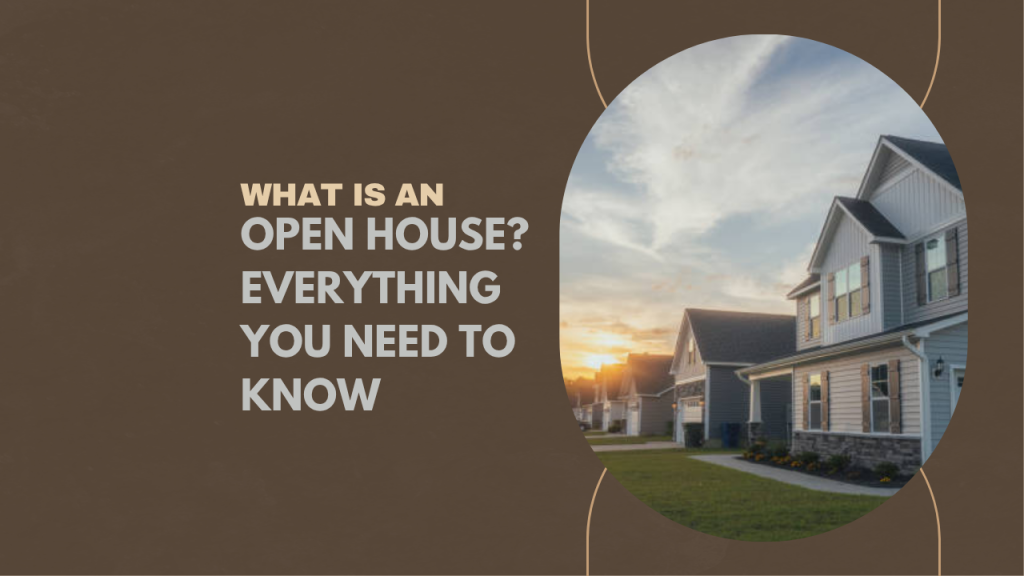
A public open house is an event where a seller or real estate agent invites people to view a home that is for sale. The goal is to attract buyers and showcase the property’s features without requiring a scheduled showing appointment.
Making the most of open houses and understanding how they work can significantly enhance your experience, whether you are attending as a guest or hosting the event.
Exploring the Role of Open Houses in the Real Estate Industry
The primary goal of hosting an open house in real estate is to present a home for sale to a wide range of potential buyers within a limited timeframe. The aim is to attract as many interested parties as possible by giving them the opportunity to explore the property independently or accompanied by their own real estate agent.
How Do Open Houses Operate?
The real estate agent representing the seller arranges and conducts the open house event, which aims to promote the property and attract buyers. The agent ensures every detail highlights the home’s appeal, oversees the event, and provides buyers with all necessary information to help them make an informed decision about submitting an offer.
Hosting an open house typically involves three phases:
-
Getting Ready
-
Welcoming Visitors on the Day of the Event
-
Following Up with Potential Buyers Afterwards
Getting Ready
Preparation includes setting the event on the calendar, promoting it, arranging the home for viewing, and discussing plans with the seller. “Tailoring your presentation to suit what potential buyers are looking for is crucial,” Ryan emphasized.
It’s a good idea to highlight nearby features such as parks, shopping centers, and new public transportation hubs, which can enhance the lifestyle appeal for buyers. Events are scheduled in advance, and attendance is confirmed with brokers or potential buyers who have shown interest to gauge turnout.
To attract a crowd, listing agents use various marketing strategies, including sending targeted emails within the local community, promoting the event on social media, and distributing physical mail advertisements.
Prior to the event, the listing agent may propose staging the home with furniture and decorations or advise removing personal items to help buyers envision themselves living there. Ryan noted that it’s common practice to stage the home, suggest touch-ups, and ensure the property is clean to present it in the most appealing light.
On the Day of the Open House
The agent usually arrives early to check that everything is in order and to ensure the event runs smoothly.
They provide handouts with important property details—such as asking price, square footage, and features—for buyers to take home. Some open houses even offer light refreshments to create a welcoming atmosphere.
At the event, the agent welcomes guests, asks them to sign in, and invites them to explore the house at their leisure. The seller’s agent is present to accompany visitors on a tour and answer any questions.
Are Open Houses Effective in Selling Properties?
Open houses rarely result in immediate home sales by themselves. Instead, they serve as a way to attract buyers and give them an opportunity to explore the property and compare it with other listings.
“This presents an opportunity for buyers to visit the property in person and experience the space’s layout and condition,” Ryan said. “It also allows buyers to view multiple homes in a day and effectively compare them to identify their preferences.”
Advantages and Disadvantages of Open Houses
For Sellers:
Benefits
-
Increased visibility: Hosting an open house guarantees interested visitors, which can create buzz and encourage competitive bidding.
-
Direct feedback: Sellers can gather input from visitors and adjust marketing or pricing strategies accordingly.
-
Potential for faster sale: Increased visibility may expedite the selling process.
Disadvantages
-
Preparation hassle: Cleaning and setting up the home can be time-consuming. Sellers must vacate during the event, which can be challenging with children or pets.
-
Privacy concerns: Agents supervise visitors, but relinquishing control of the home and belongings can feel unsettling.
-
Buyers will inspect thoroughly: Expect that every drawer, cabinet, and closet will be checked.
For Buyers:
Benefits
-
Convenient: Open houses allow buyers to explore a home without needing a scheduled appointment.
-
Access to information: Buyers can get brochures and ask the agent questions about the property and neighborhood.
-
No pressure: Attending is optional and obligation-free, which is ideal for those just starting their search or without a buyer’s agent.
Disadvantages
-
Crowds: Open houses can be crowded, making it difficult to move around freely.
-
Limited viewing times: The event only lasts a few hours, which might not fit everyone’s schedule.
-
Pressure to act: Some buyers may feel pressured to make an offer even though there’s no obligation.
Guidelines for Visiting Open Houses
Even though an open house is informal, come prepared. Have a clear idea of what you want and questions to ask, such as:
-
What is the home’s ownership history?
Before attending, research the listing details, photos, neighborhood amenities, schools, and property values. This preparation helps set realistic expectations.
Dress appropriately for the weather and wear comfortable footwear, as tours involve walking and stair climbing.
When you meet the agent, engage with them by asking questions about the home, reasons for selling, nearby amenities, and whether there is a homeowners association (HOA). Bringing a list of questions ensures you don’t forget anything important.
Unlock the secrets to realtor success by overcoming common challenges with proven solutions! Visit DLE Network for more information.
Explore more about How to Win a Bidding War on a House