

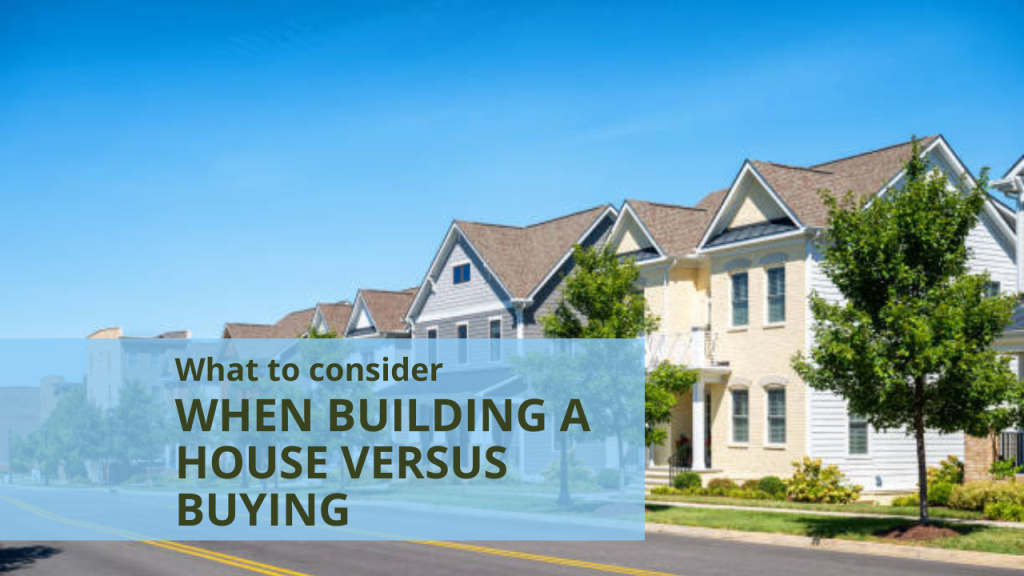
The National Association of Home Builders (NAHB) states that the average cost of a home today is comparable to that of a newly built one. This suggests that the decision-making process for homebuyers is no longer based on finances alone.
A resale home—an established residence that has been previously owned—remains the most common choice among American homebuyers. In fact, according to data from the National Association of Realtors, over 90% of home purchases involve existing properties.
The Charm of Resale Homes
Considering your options? You might want to choose a resale home if you value history and character. According to NAHB, nearly half of all homes in the U.S. are over 40 years old. That gives you access to charming vintage properties—perhaps a gem from the 1800s or a cozy Craftsman-style house from the early 1900s.
If you’re unsure about your desired layout or features, a pre-built home may reduce the stress of having to decide everything from scratch. For instance, you don’t need to plan where to place three bedrooms—they’re already there. But this convenience comes at a cost: adapting to a layout that may not fully align with your personal needs.
Layout Limitations and Location Advantages
Older homes can sometimes come with outdated floor plans. While open-concept designs that integrate kitchen, dining, and living spaces are popular today, many older homes feature more segmented layouts with distinct rooms for each purpose.
They’re usually found in well-established neighborhoods with mature landscaping and existing infrastructure—something that newer developments may lack for years after construction begins.
Remodeling as a Preference
Sean Sullivan, a custom builder and remodeler at Living Stone Design + Build in Asheville, says many buyers are unsure of what they want. “My wife and I love preserving what already exists, which is why we prefer remodeling,” he shares.
Sullivan lives in a renovated, 100-year-old farmhouse. Despite being capable of building new homes from the ground up, he chose to remodel. His project took over two years, but he says even a full remodel is typically faster than designing and building a new home from scratch. Since much of the foundation and structure already exists, the work can progress more quickly.
That said, if the price of a resale home is similar to that of a new one, it might be difficult to justify the extra time and cost involved in a full renovation. In such cases, renovations can be done gradually—room by room—as time and budget allow.
Buyer Preferences and Market Trends
According to a NAHB survey, 61% of respondents said they preferred buying a new home. However, many of those same buyers end up choosing resale homes due to availability and other practical considerations.
A newly built home, once sold, becomes an “existing home.” Additionally, new construction has lagged since the Great Recession, with only a slow resurgence in building activity in recent years.
If you’re among the 61% who favor new homes, you might appreciate the modern designs more than those found in resale homes. Whether it’s a mass-produced unit or a custom build, new homes often reflect updated preferences.
Jay Kallos highlights how changing lifestyles have reshaped what we expect from our homes. Kitchens, once separated due to heat and ventilation concerns, are now seamlessly integrated into open-concept layouts alongside living and dining areas. This marks a significant shift from the design standards of earlier eras.
Advantages of New Construction
Newly built homes often feature finishes and layouts that match current trends. Builders conduct market research to ensure their designs reflect what today’s buyers want.
These homes are also built to modern code using updated materials. That means better energy efficiency, safer electrical systems, and improved plumbing and HVAC setups. For example, most new homes include double-pane windows, which insulate better than the single-pane windows typically found in older homes.
As Kallos points out, being the first to live in a home means using brand-new appliances and fixtures, all installed to your preference, with little worry about immediate repairs or replacements like leaky roofs or failing water heaters.
The Neighborhood Factor
Builders typically choose development sites based on detailed research, but new communities can take time to mature. Moving into a new build might mean living among empty lots or half-finished homes. However, as the area develops, the value and appeal of the neighborhood often grow.
According to Kallos, one upside to moving into a new community is that neighbors are often more open to forming connections, since everyone is new and eager to establish a sense of belonging.
Size and Space Considerations
Due to rising costs, many newly built homes today are smaller than those built in previous decades. Finding a new move-in-ready home of 3,000 square feet or more can be challenging, while resale homes in that size range are often easier to find and more affordable.
Choosing Between New and Resale: What’s Right for You?
Whether you’re investing in property or searching for your dream home, you’ll likely encounter a range of options: brand-new homes ready for move-in, vacant lots for custom builds, and resale homes that already fit your needs.
When weighing the pros and cons, consider:
-
Do you want a turnkey experience or are you open to renovations?
-
Are you drawn to history and character, or modern amenities and efficiency?
Each type of home comes with its own set of advantages and challenges. The right choice ultimately depends on your lifestyle, preferences, and long-term goals.
Unlock the secrets to realtor success by overcoming common challenges with proven solutions! Visit DLE Network for more information.
Explore more about How to Find Out Who Owns a Property