
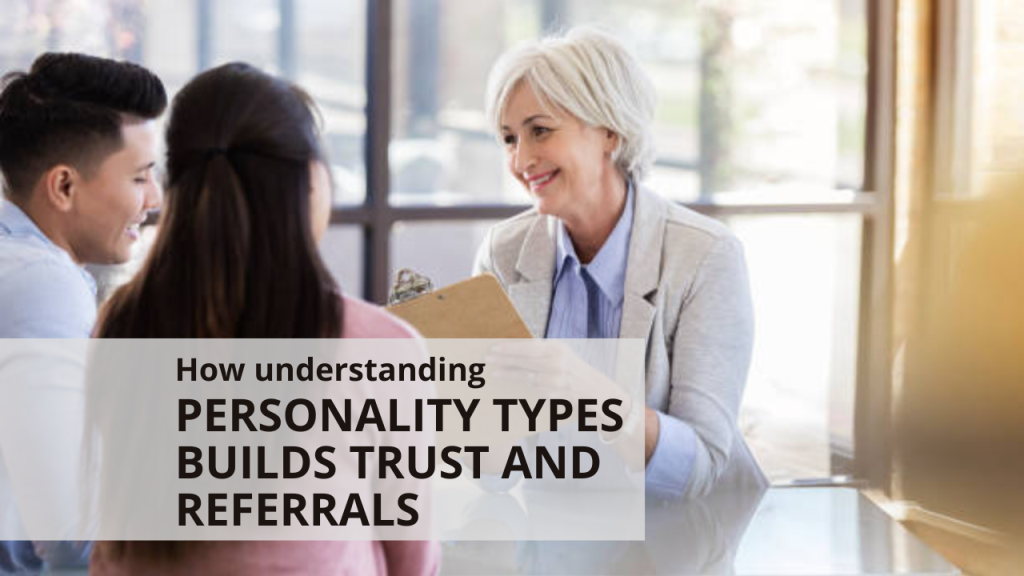
Each client brings a unique personality and communication style that real estate agents must recognize and adapt to. This understanding is a major success factor. When communication styles are incompatible, it can lead to client frustration and failed deals. On the other hand, effective communication builds immediate trust, resulting in smoother interactions and more successful transactions.
Understanding personality types gives agents a competitive advantage. When you identify a client’s personality, you can tailor your communication, provide better guidance, and make the entire process easier for everyone involved.
Why Personality Types Matter in Real Estate
Client satisfaction and success often depend more on emotional intelligence than on market knowledge or negotiation skills. Buyers and sellers approach the process differently: some want every detail before making a decision, while others only care about the big picture. Clients typically fall into two communication categories: the talkative, excited type and the reserved, analytical type.
When your communication style doesn’t align with the client’s, it can lead to confusion, tension, and broken trust. But when you adapt your style to match their personality, you build rapport, gain credibility, and make clients feel understood and valued. The key is to remain authentic while being flexible enough to meet your clients where they are.
4 Common Personality Types (and How to Spot Them)
To work effectively with diverse clients, you need a system to understand their behavior. A helpful framework combines the DISC personality model with commonly observed client traits. While not every client will fit neatly into one category, this guide offers essential insights to help you adjust your communication style.
These four personality types are often identifiable during your first meeting:
1. The Driver
Traits: Goal-oriented, assertive, decisive
Communication Style: Direct and fast-paced
What to Expect:
-
Focuses on outcomes and deadlines
-
Little interest in emotional or personal details
-
Asks clear, direct questions
Typical statements:
-
“How fast can we close?”
-
“Just tell me what I need to do.”
-
“Let’s cut to the chase.”
2. The Analyst
Traits: Detail-oriented, data-driven, cautious
Communication Style: Analytical and thorough
What to Expect:
-
Requests documents like comps, market data, and reports
-
Needs time to process all details
-
Values logic and factual clarity
Typical statements:
-
“What’s the walkability score? What are the property taxes?”
-
“I’ll need time to think it over.”
3. The Expressive
Traits: Social, enthusiastic, big-picture thinker
Communication Style: Emotional and energetic
What to Expect:
-
Focuses on lifestyle and emotional aspects of the home
-
Responds to visuals and storytelling
-
Builds personal connections quickly
Typical statements:
-
“Ooh, I love this vibe!”
-
“This location is perfect for creating a gallery wall!”
4. The Amiable
Traits: Relationship-focused, loyal, conflict-averse
Communication Style: Warm and cautious
What to Expect:
-
Seeks reassurance and support
-
Consults with family before making decisions
-
Builds trust slowly over time
Typical statements:
-
“I want to verify that this decision will benefit everyone.”
-
“I’m unwilling to make any hasty decisions.”
How Each Personality Type Prefers to Communicate
Once you’ve identified your client’s personality type, adapt your communication to fit their needs. Each type interacts differently in emails, phone calls, meetings, and feedback. Here’s how to match your approach:
The Driver
-
Phone/Showings: Keep updates brief and focused.
-
Decision-Making: Fast and results-driven.
-
Feedback: Direct, sometimes blunt.
Tip: Mirror their pace. Be concise, lead with solutions, and respect their time.
The Analyst
-
Email: Detailed, structured, with supporting documents.
-
Phone/Showings: They ask many questions and prefer written information.
-
Decision-Making: Slow and methodical.
-
Feedback: Logical, often includes data comparisons.
Tip: Be prepared. Provide all necessary reports and be ready for follow-up questions.
The Expressive
-
Email: Casual, emotional, may use emojis or exclamation marks.
-
Phone/Showings: Focus on emotional appeal and energy.
-
Decision-Making: Impulsive and feelings-based.
-
Feedback: Expresses excitement and personal experiences.
Tip: Match their enthusiasm. Use lifestyle language and paint a vivid picture of what it’s like to live in the home.
The Amiable
-
Email: Friendly and warm, often includes questions and family references.
-
Phone/Showings: Seeks reassurance; needs a gentle approach.
-
Decision-Making: Cautious and slow, influenced by others.
-
Feedback: Diplomatic and sometimes indirect.
Tip: Build trust. Be consistent, supportive, and involve key decision-makers.
How to Adapt Your Style to Each Personality
The most critical step is identifying the client’s dominant personality type. Once you know, make small adjustments to how you speak, how often you check in, how much detail you share, and the pace of your presentation.
The key? Stay authentic—but flexible. Serve clients based on how they feel and communicate, not how you’d prefer to deliver information.
The Driver
-
Adjustments: Be direct and fast-paced. Lead with results.
-
Avoid: Over-explaining or being too personal.
-
Agent Tip: Efficiency is everything. Stick to outcomes and respect their time.
The Analyst
-
Adjustments: Be thorough, organized, and ready with data.
-
Avoid: Rushing decisions or glossing over details.
-
Agent Tip: Patience builds trust. Show your work and your reasoning.
The Expressive
-
Adjustments: Keep things upbeat and story-driven.
-
Avoid: Being too technical or impersonal.
-
Agent Tip: Use lifestyle visuals and emotional language to keep them engaged.
The Amiable
-
Adjustments: Be gentle, supportive, and collaborative.
-
Avoid: Pushing for quick decisions.
-
Agent Tip: Build a relationship first. Engage with family or trusted advisors when needed.
When a Client Doesn’t Fit Just One Type
Most people display a mix of personality traits. Stress or external factors may shift their behavior, making them hard to categorize. In these situations:
-
Focus on patterns. Look for dominant traits that surface repeatedly.
-
Ask open-ended questions. Uncover how they think and what they value.
-
Practice active listening. Pay attention to tone, pace, and emotion—not just words.
-
Watch body language. Facial expressions, posture, and eye contact can show comfort or discomfort. If they seem disengaged, shift your approach.
Understanding blended traits helps you deliver the right message at the right moment.
Adaptability Wins Trust
In today’s competitive market, technical expertise gets you in the door, but adaptability builds lasting relationships. When you understand how different personalities communicate, you can tailor your approach and become the kind of agent clients want to work with.
You don’t need to change who you are—just adjust your style enough to meet clients where they are. That small shift creates smoother transactions and stronger client satisfaction.
For more tips on improving your communication and growing your real estate business, visit the Resource Center for expert advice and actionable strategies tailored to agents like you.
Unlock the secrets to realtor success by overcoming common challenges with proven solutions! Visit DLE Network for more information.
Explore more about Understanding the New Construction Buying Process: A Guide for Builders and Real Estate Agents